Every loop
Showcase
Every field animation, every three-colour colouring, and every black-and-white picture the catalogue holds — on one page, grouped by wallpaper group and running. A card opens the page where its parameters live — the reaction–diffusion family page, the Gyre or Trefoil explorer, a monochrome explorer, or its own standalone viewer — with the film group, the equation, the parameter set and the pattern already selected.
Both two-colour tiers are here: the strict pictures, whose law holds in space and in time, and the broad ones, whose involution exchanges the inks on every frozen frame. Many readings of one wave are therefore a run of cards that draw the same picture to the eye — seven verified solutions at F = .00395 … .00405 are seven records and one black diamond around one white blob. Those runs are folded, two ways: every card of one wave — the same name under the same film group and equation, whatever its parameters or the rule it was read by — folds behind one card, and so does every clip that measures alike frame by frame. A single card is shown carrying a +6 alike chip that opens the rest in place, right behind it. What you can check by opening a chip: every card behind it is the same wave as the one shown or looks like it, and no two cards a group shows measure alike. Nothing is dropped, either: every folded card keeps its own parameters, its own reading and its own link, and Fold look-alikes in the bar below turns the whole thing off. Only the plain-threshold controls are left out: they carry no two-colour law at all, and they are read beside their own picture in the monochrome explorer, where the page can say so.
2 632 pictures4 138 cards1 070 distinct-looking cards3 068 folded behind them2 973 catalogue records691 field423 three-colour3 015 black-and-white9 standalone viewers17 wallpaper groups10 equations
Standalone viewers endless, full screen, a page each 9 pages
Nine pages that are not catalogue rows: one wave each, drawn endlessly, pannable and zoomable, with their own writing about what the picture is. Seven of them stand on a wave the catalogue below also holds — the viewer is that wave drawn full screen and without end, rather than a tenth of a screen in a grid.
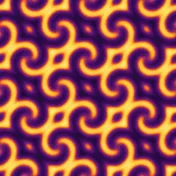
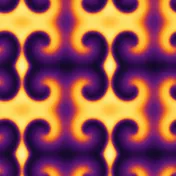
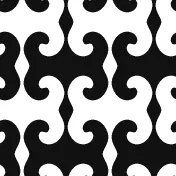
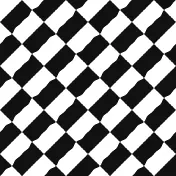
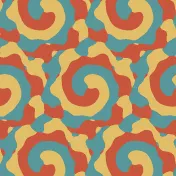
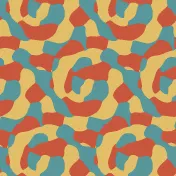
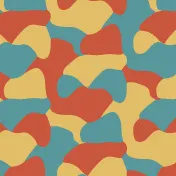
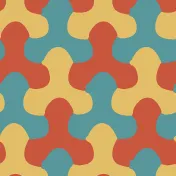
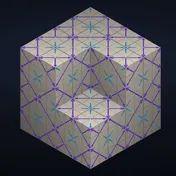
◦ p1 5 distinct of 66 loops · 12 field · 54 black & white
Square lattice. A card opens the reaction–diffusion family page, or the monochrome explorer, with the group, the equation, the parameter set and the pattern already chosen.
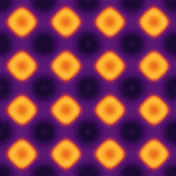
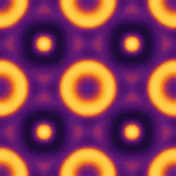

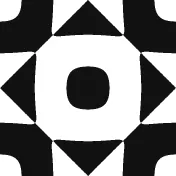
2222 p2 44 distinct of 253 loops · 42 field · 211 black & white
Square lattice. A card opens the reaction–diffusion family page, or the monochrome explorer, with the group, the equation, the parameter set and the pattern already chosen.
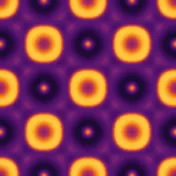
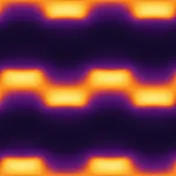

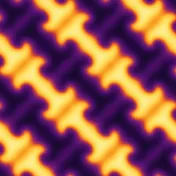
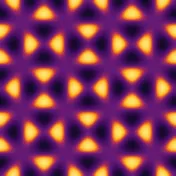




** pm 9 distinct of 33 loops · 6 field · 27 black & white
Square lattice. A card opens the reaction–diffusion family page, or the monochrome explorer, with the group, the equation, the parameter set and the pattern already chosen.
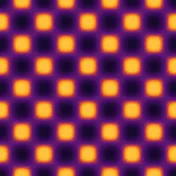
×× pg 11 distinct of 56 loops · 8 field · 48 black & white
Square lattice. A card opens the reaction–diffusion family page, or the monochrome explorer, with the group, the equation, the parameter set and the pattern already chosen.
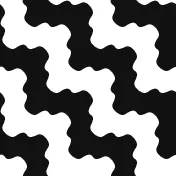
*× cm 23 distinct of 153 loops · 28 field · 125 black & white
Square lattice. A card opens the reaction–diffusion family page, or the monochrome explorer, with the group, the equation, the parameter set and the pattern already chosen.
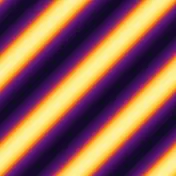
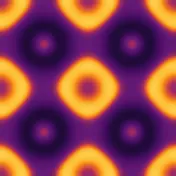
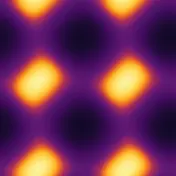
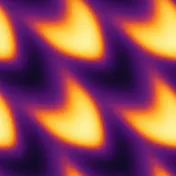
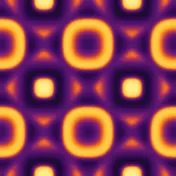
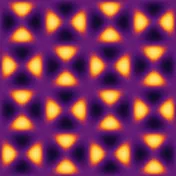
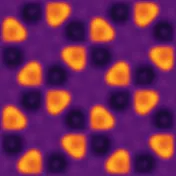

*2222 pmm 41 distinct of 209 loops · 34 field · 175 black & white
Square lattice. A card opens the reaction–diffusion family page, or the monochrome explorer, with the group, the equation, the parameter set and the pattern already chosen.
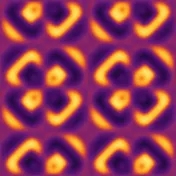
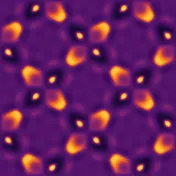
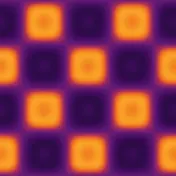
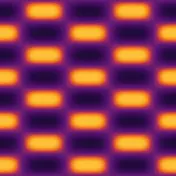
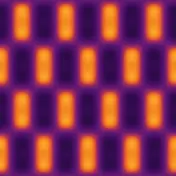
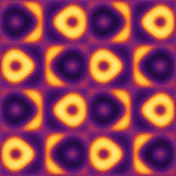
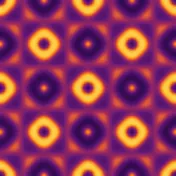
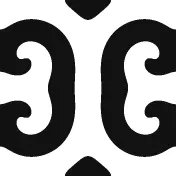
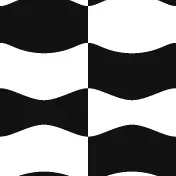
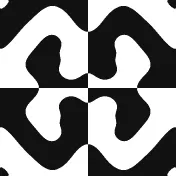
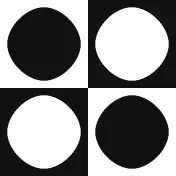
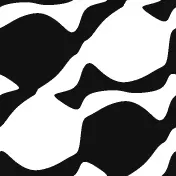
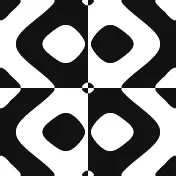
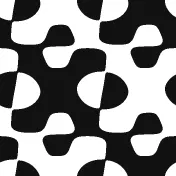
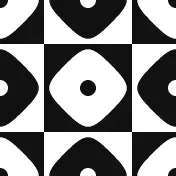
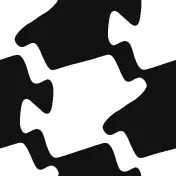
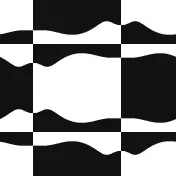
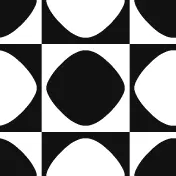
22* pmg 65 distinct of 310 loops · 34 field · 276 black & white
Square lattice. A card opens the reaction–diffusion family page, or the monochrome explorer, with the group, the equation, the parameter set and the pattern already chosen.
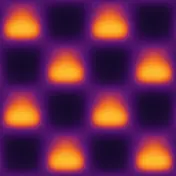
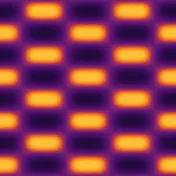
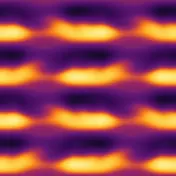
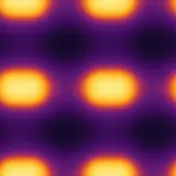
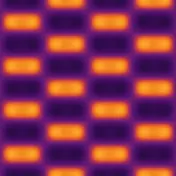
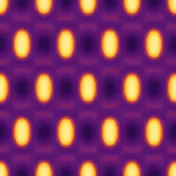
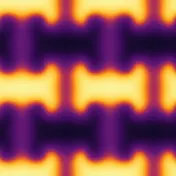
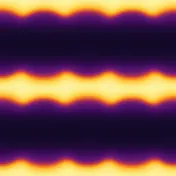
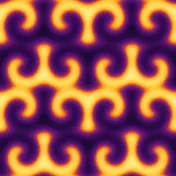
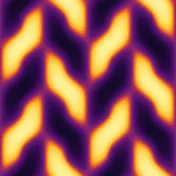

22× pgg 54 distinct of 274 loops · 41 field · 233 black & white
Square lattice. A card opens the reaction–diffusion family page, or the monochrome explorer, with the group, the equation, the parameter set and the pattern already chosen.
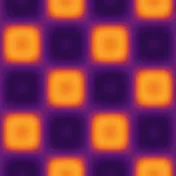
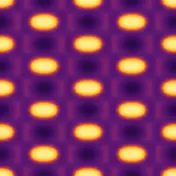
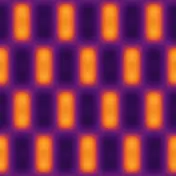
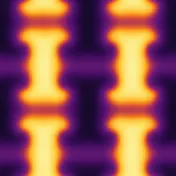
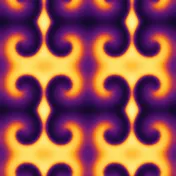
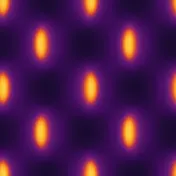
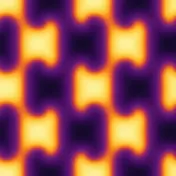
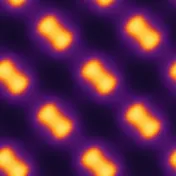
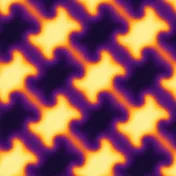
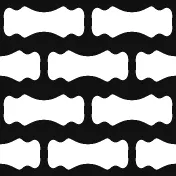
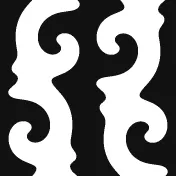

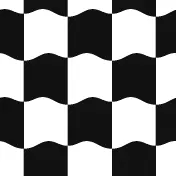
2*22 cmm 50 distinct of 271 loops · 47 field · 224 black & white
Square lattice. A card opens the reaction–diffusion family page, or the monochrome explorer, with the group, the equation, the parameter set and the pattern already chosen.
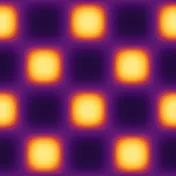
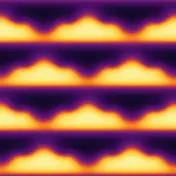
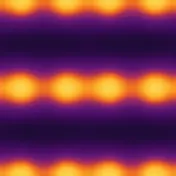
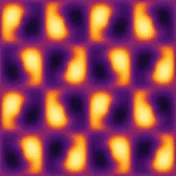
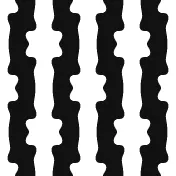
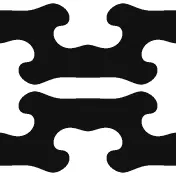
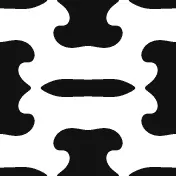
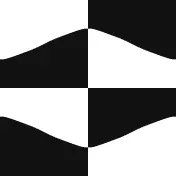
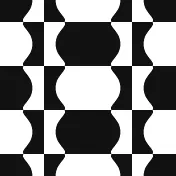
442 p4 83 distinct of 424 loops · 141 field · 283 black & white
Square lattice. A card opens the reaction–diffusion family page, or the monochrome explorer, with the group, the equation, the parameter set and the pattern already chosen.
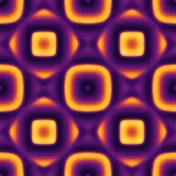
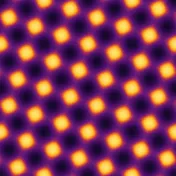
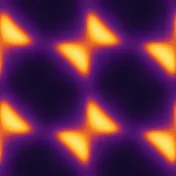
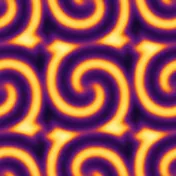
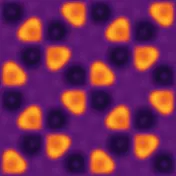
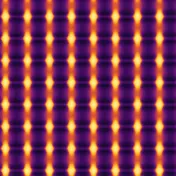
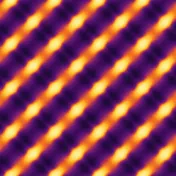
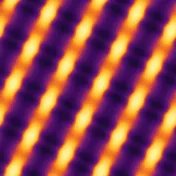
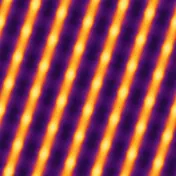
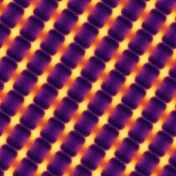
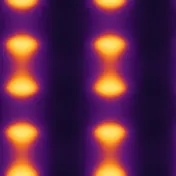
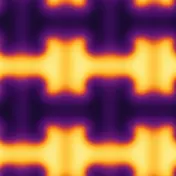
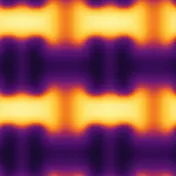
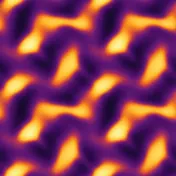
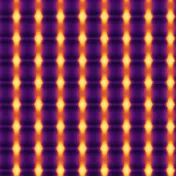
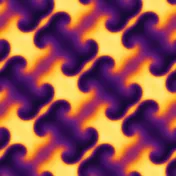
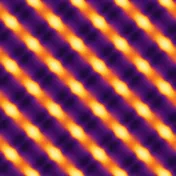
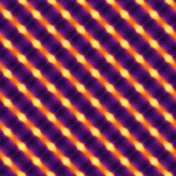
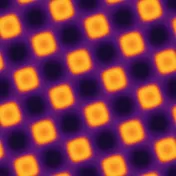
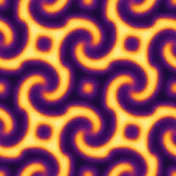
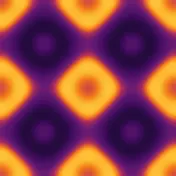
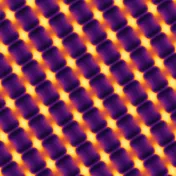
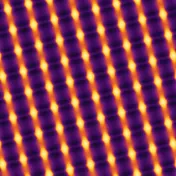
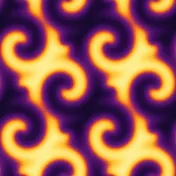
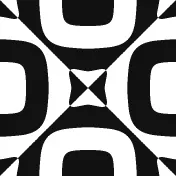
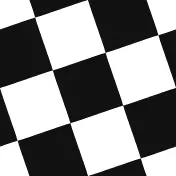
*442 p4m 38 distinct of 232 loops · 43 field · 189 black & white
Square lattice. A card opens the reaction–diffusion family page, or the monochrome explorer, with the group, the equation, the parameter set and the pattern already chosen.
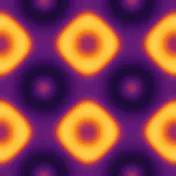
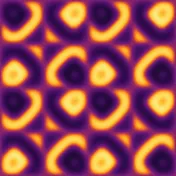
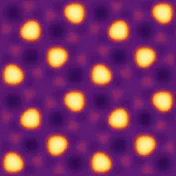
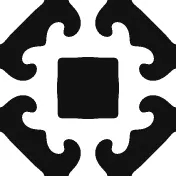
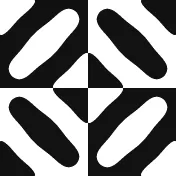
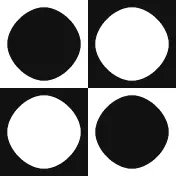
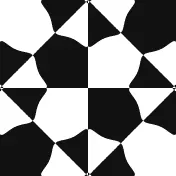
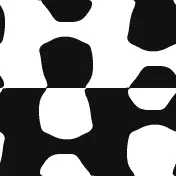
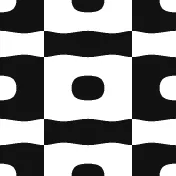
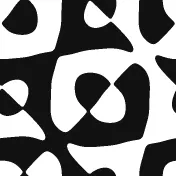
4*2 p4g 65 distinct of 388 loops · 70 field · 318 black & white
Square lattice. A card opens the reaction–diffusion family page, or the monochrome explorer, with the group, the equation, the parameter set and the pattern already chosen.
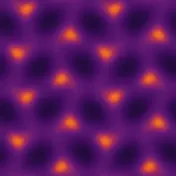
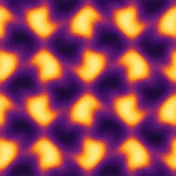
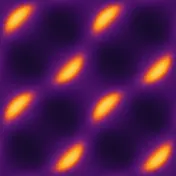
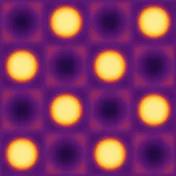
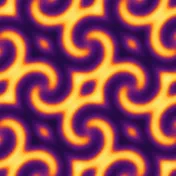
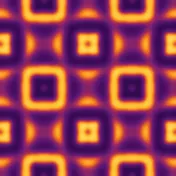
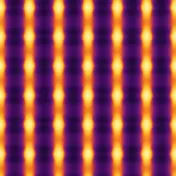
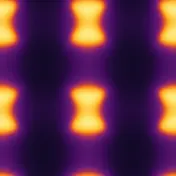
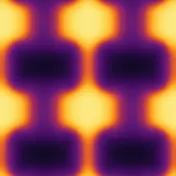
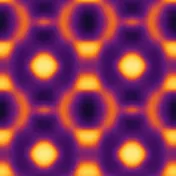
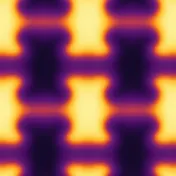
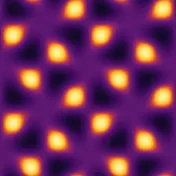
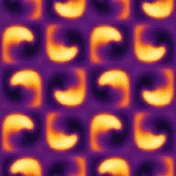
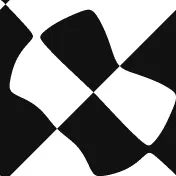
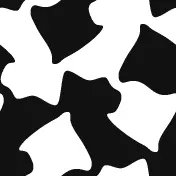
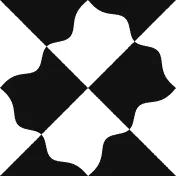
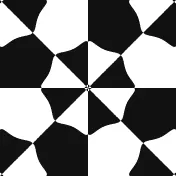
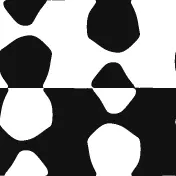
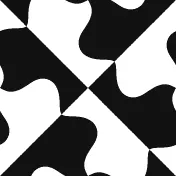
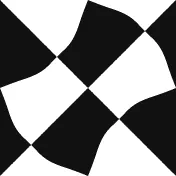
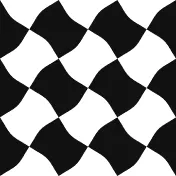
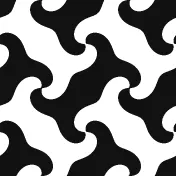

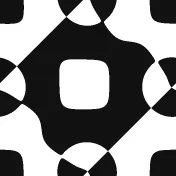
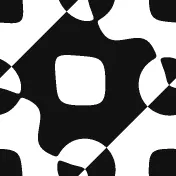
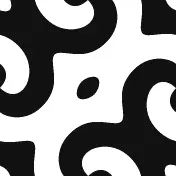
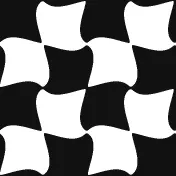
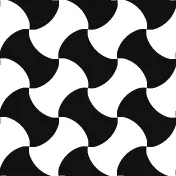
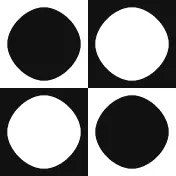
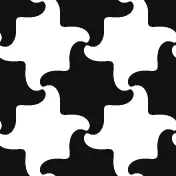
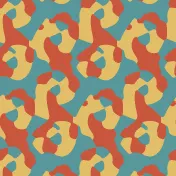
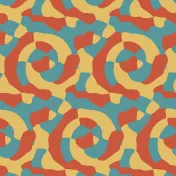
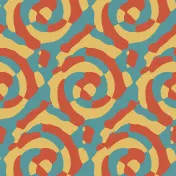
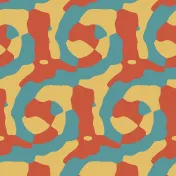
333 p3 170 distinct of 393 loops · 58 field · 102 three-colour · 233 black & white
Triangular lattice — the only kind that can host a three-colour rule, so this section has Gyre and Trefoil cards as well as fields and black-and-white pictures.
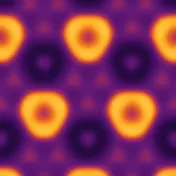
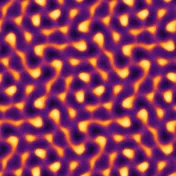
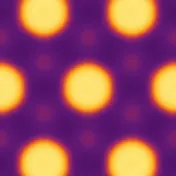
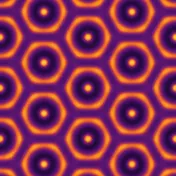
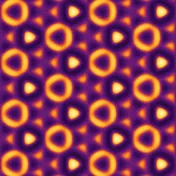
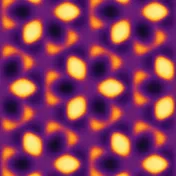
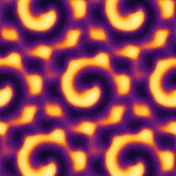
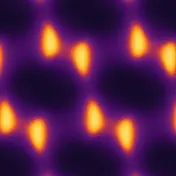
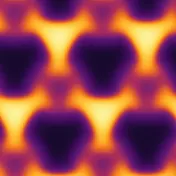
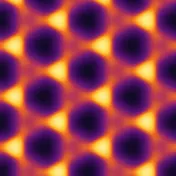
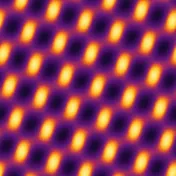
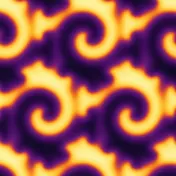
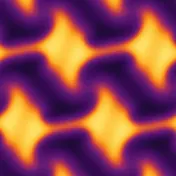
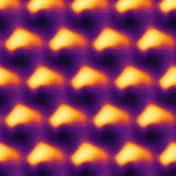
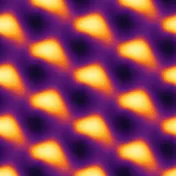
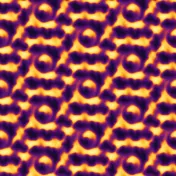
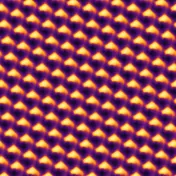
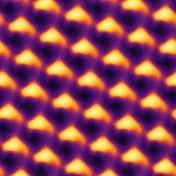
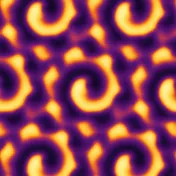
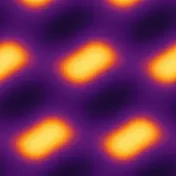
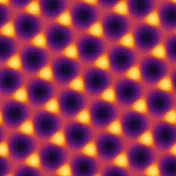
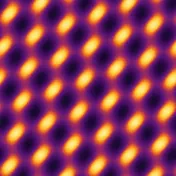
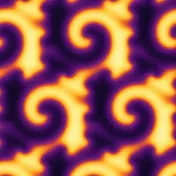
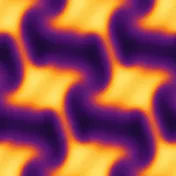
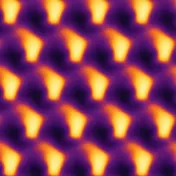
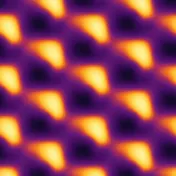
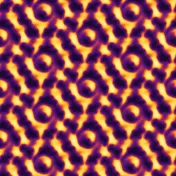
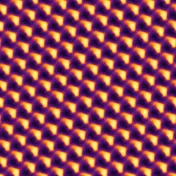
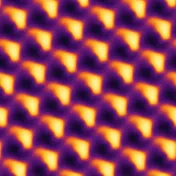
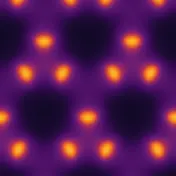
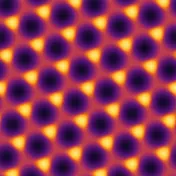
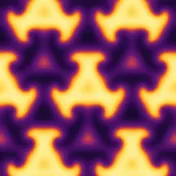
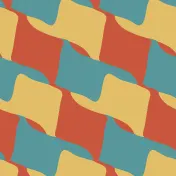
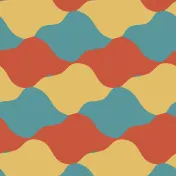
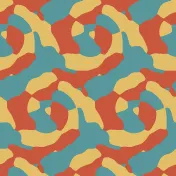
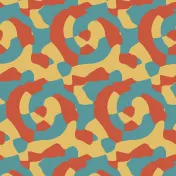
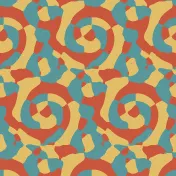
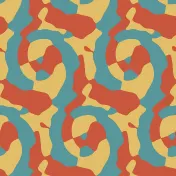
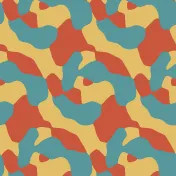
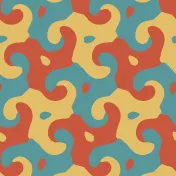
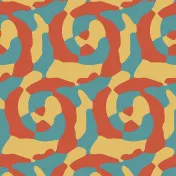
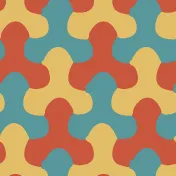
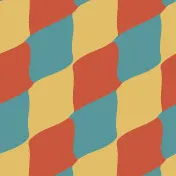
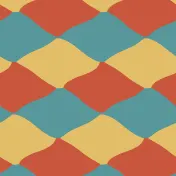
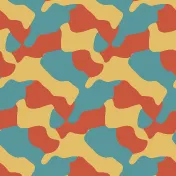
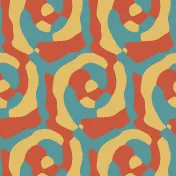
*333 p3m1 20 distinct of 91 loops · 14 field · 3 three-colour · 74 black & white
Triangular lattice — the only kind that can host a three-colour rule, so this section has Gyre and Trefoil cards as well as fields and black-and-white pictures.
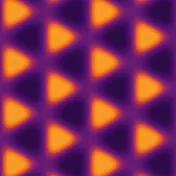
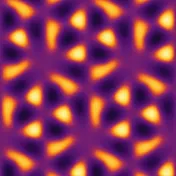
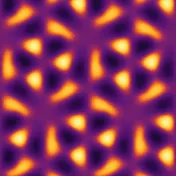
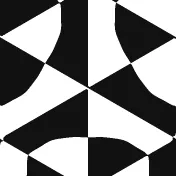
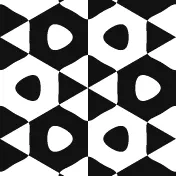
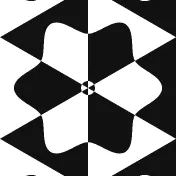
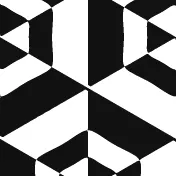
3*3 p31m 70 distinct of 207 loops · 19 field · 54 three-colour · 134 black & white
Triangular lattice — the only kind that can host a three-colour rule, so this section has Gyre and Trefoil cards as well as fields and black-and-white pictures.
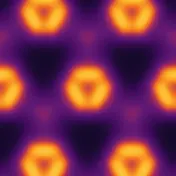
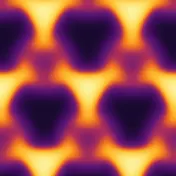
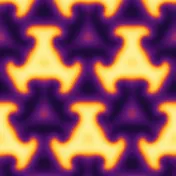
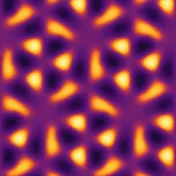
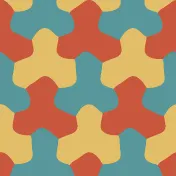
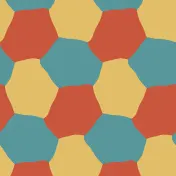
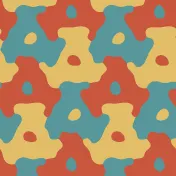
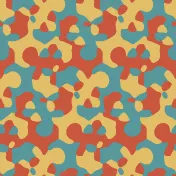
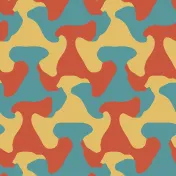
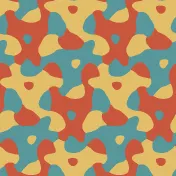
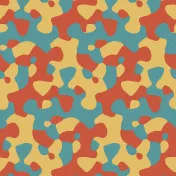
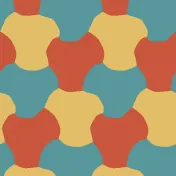
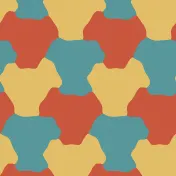
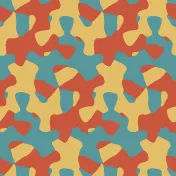
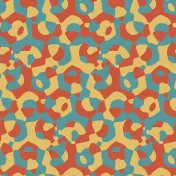
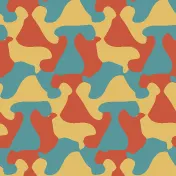
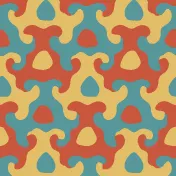
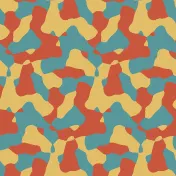
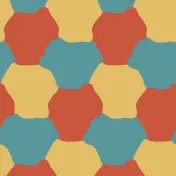
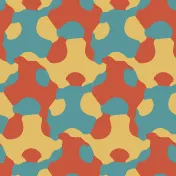
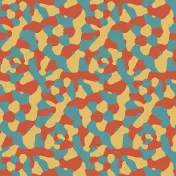
632 p6 279 distinct of 640 loops · 78 field · 248 three-colour · 314 black & white
Triangular lattice — the only kind that can host a three-colour rule, so this section has Gyre and Trefoil cards as well as fields and black-and-white pictures.
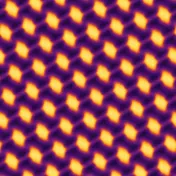
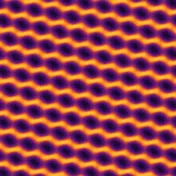
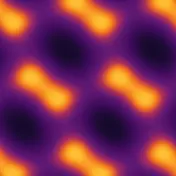
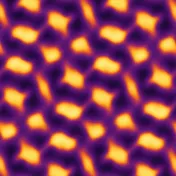
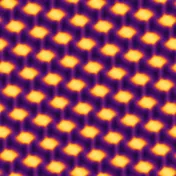
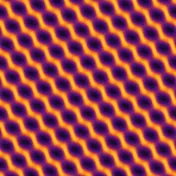
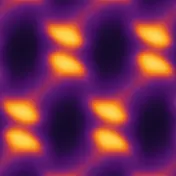
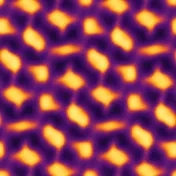
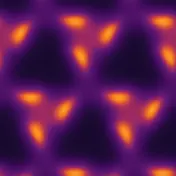
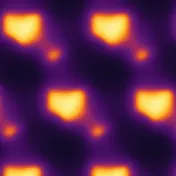
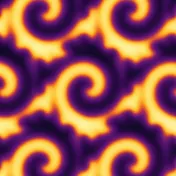
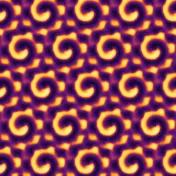
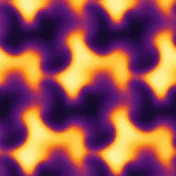
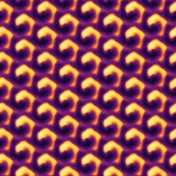
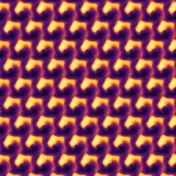
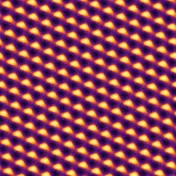
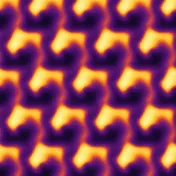
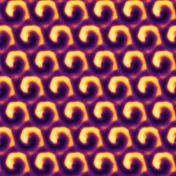
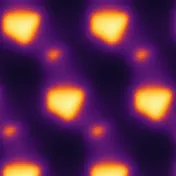
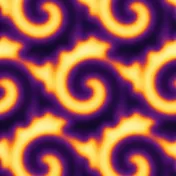
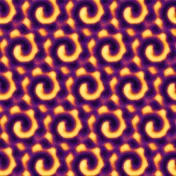
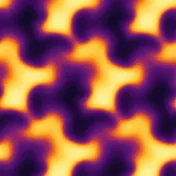
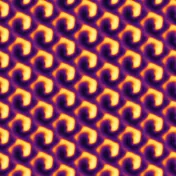
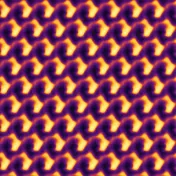
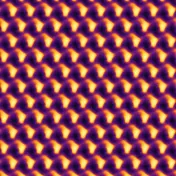
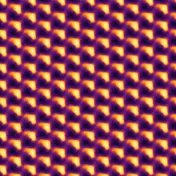
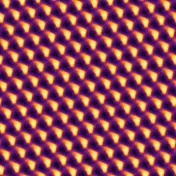
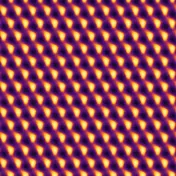
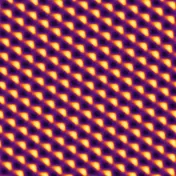
*632 p6m 34 distinct of 129 loops · 16 field · 16 three-colour · 97 black & white
Triangular lattice — the only kind that can host a three-colour rule, so this section has Gyre and Trefoil cards as well as fields and black-and-white pictures.
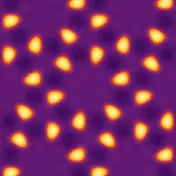
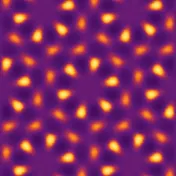
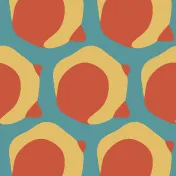
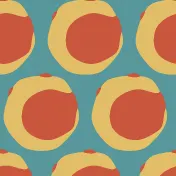
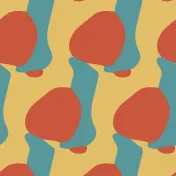
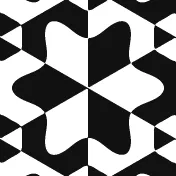
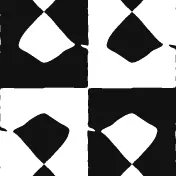
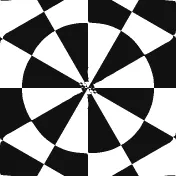
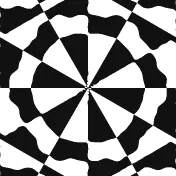
Every wallpaper group opens with up to 50 distinct-looking loops — all of them where a group has fewer — with its look-alikes folded behind one card each, and its own two buttons bring in fifty more or all of them; a card leaves the page again once 1 000 are mounted, and scrolling back to its group brings it straight back. back to the top
Loading the manifest…
JavaScript is off: each group shows up to 50 distinct-looking loops — all of them where a group has fewer — and every card still opens its page, which is where the rest of that group is. The filter, the “show more” buttons and the +N alike chips are all things a script would have to honour, so they are not drawn. back to the top
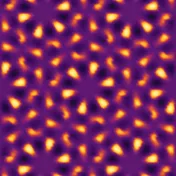
Each preview is a short looping clip rendered offline by the same rules the live pages draw with — the ember ramp for a field, the argmax of three samples for a colour entry, the sign of the difference field for a black-and-white one — from the same saved bytes, never captured off a running page. They are reconstructions and not recordings: the CPU twin takes one sample per frame and averages the colours it assigned over a 3× supersampled grid, where the live pages composite a multi-tap temporal shutter, so a fast boundary is a little crisper here than it is there. One card is the exception: the chair tiling has no field to replay, so its card holds that page's own preview image, still.
One clip is drawn per distinct picture, and a picture is carded under every wallpaper group that hosts it — so there are fewer pictures here than cards, and the card's tooltip names the other groups it appears in. Several catalogue records that share a field are likewise one animation under different clockworks, and the card says which — and the record count above counts each record once, however many sections card it. Where several cards of one wave still stand together they are not repeats, and the card's last line begins with what makes this one different: the rule a black-and-white picture was read by, the node vector a three-colour one turns about, or — where the catalogue really does say the same thing twice, as it does for six verified colourings of one orbit on six different saved fields — that field's own short digest, the same one its clip is named by. Where they are different records of the same wave — other parameters, another reading — or clips that measure alike, the run is folded behind one card and the chip on it says how many; the folded cards are dashed when you open them, and say alike. A card that is off the screen is paused and holds no decoder.